Decarbonisation and renewable energy
District heating and cooling, geothermal energy, heat pumps, biomass, photovoltaics: we study the solutions that match what the building needs and what its site can supply.
Contact usFrom opportunity study to design
-
Opportunity study
We identify the solutions that are technically possible and compare their energy, carbon and economic performance under common assumptions. The aim is to establish which of them deserve a closer look.
-
Feasibility study
A closer study of the solution or solutions retained: energy sizing, siting conditions, technical and regulatory constraints, capital cost, running cost, whole-life cost and the grants available.
-
Design and construction
When the project moves into detailed design, we can continue to support the project alongside partner engineering firms responsible for the relevant disciplines.
Before a solution can be chosen
-
What the building needs
The first step is to understand the consumption, the loads drawn, the uses and the temperatures the building actually requires.
A circuit designed for high temperature does not run at that temperature all year. Reading the operating temperatures as they really are shows where the demand sits: many buildings run at low or medium temperature for much of the year, and propane heat pumps (R-290) now reach high flow temperatures. The demand curve decides, not an assumption about the technology.
-
The resources available
A district heating or cooling network, an aquifer, ground for boreholes, a roof, outdoor air, or room for a biomass boiler house: what is possible depends directly on the site.
We also examine the main constraints of siting, acoustics, geology, regulation and operation.
-
The technical and economic trade-off
Capital cost, energy consumption, carbon emissions, running costs, maintenance, footprint, service life and regulatory constraints are studied together.
The aim is not to retain a technology on principle, but to find the solutions that fit the building and the client’s objectives.
Our studies
The multi-source opportunity study sets the resources available on the site against what the building needs. It follows the principles of ADEME’s EnR’Choix method.
- 1 A district heating network nearby
- 2 Aquifer or vertical boreholes: geothermal energy
- 3 A roof with good exposure: solar thermal
- 4 Outdoor air: air-to-water heat pump
- 5 Room for a wood-fired boiler house, for high-temperature demand
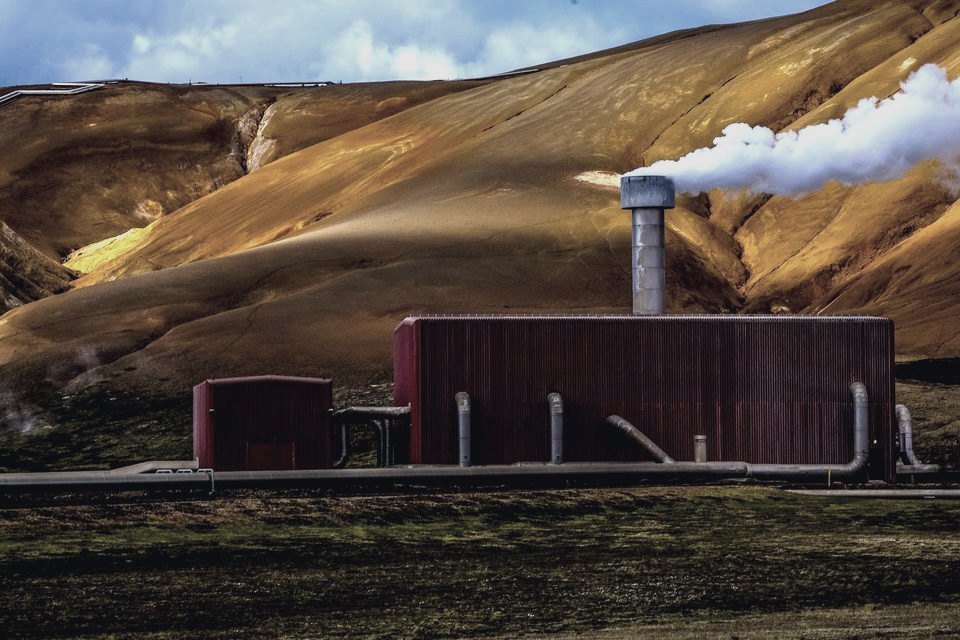
District heating
We look at how close the network runs, the terms of connection, the heat or cooling tariff, its carbon content and how well it matches what the building needs.
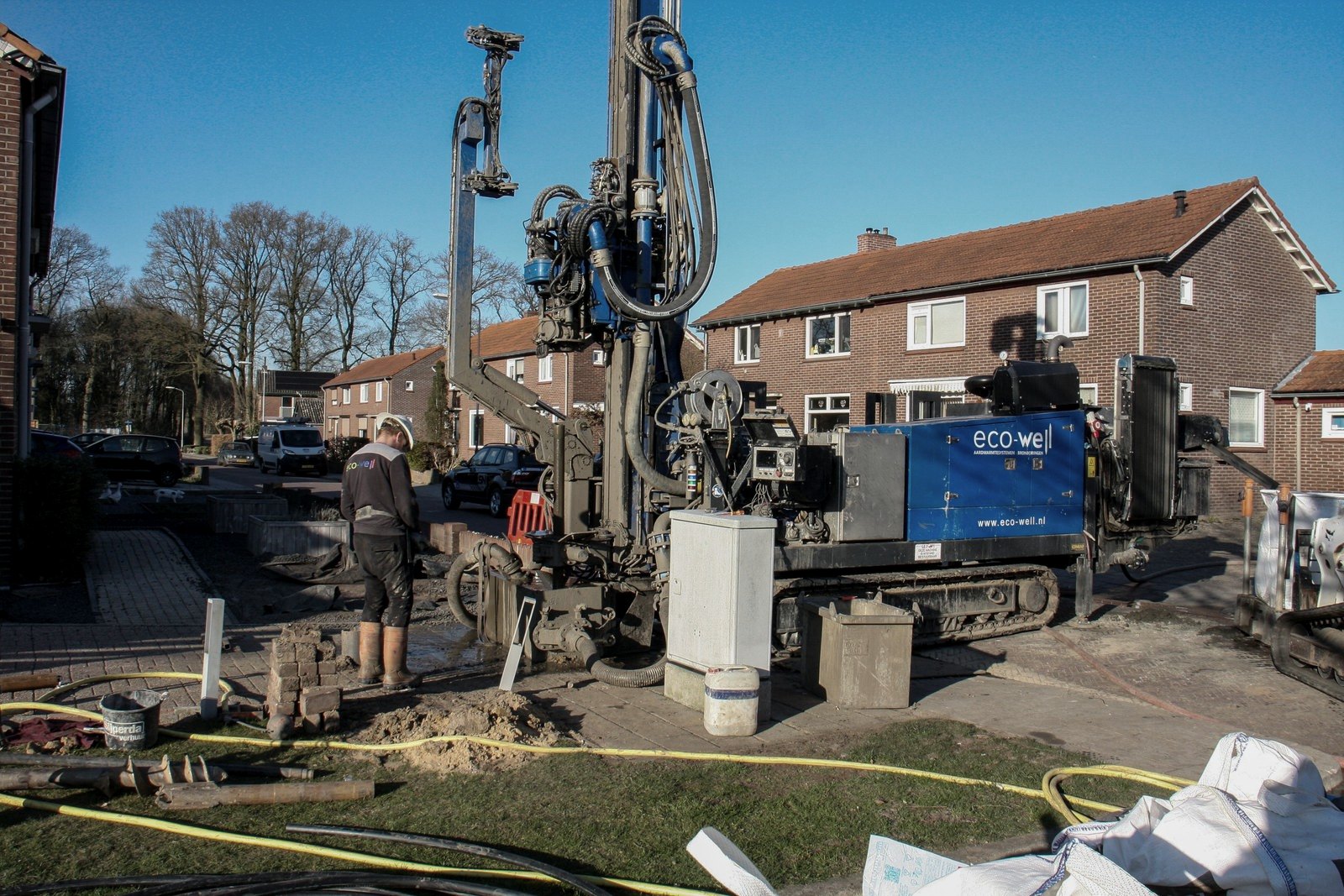
Geothermal energy, open loop or closed loop
We look at the geology, the potential available, the energy demand and the procedures that apply, in particular the géothermie de minime importance regime, France’s simplified permitting route for shallow geothermal works.
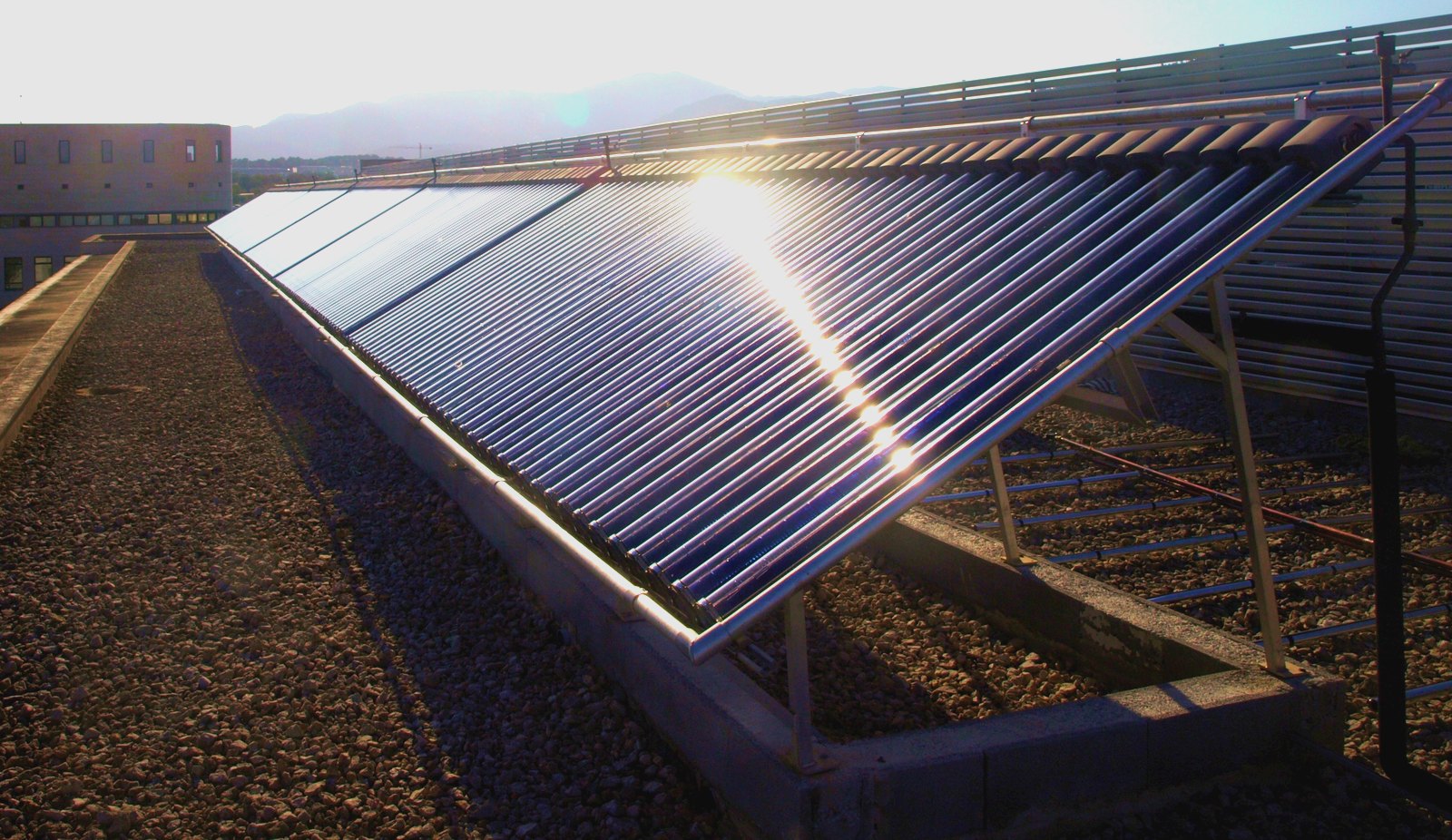
Solar thermal
Solar thermal is worth examining at the opportunity stage when the building has a large domestic hot water demand and a roof with suitable orientation and available area. The study then covers the match between that demand, the solar potential and the surfaces available.
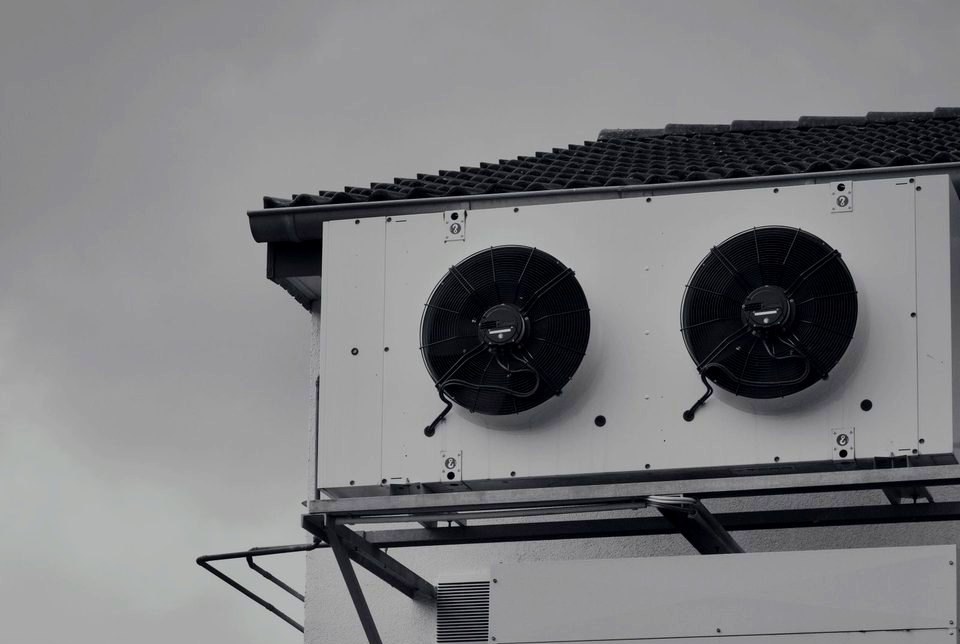
Air-to-water heat pump
We look at the distribution temperatures, the capacity required, part-load operation and the main siting constraints, acoustics above all, for the occupants and for the neighbours alike.
Biomass
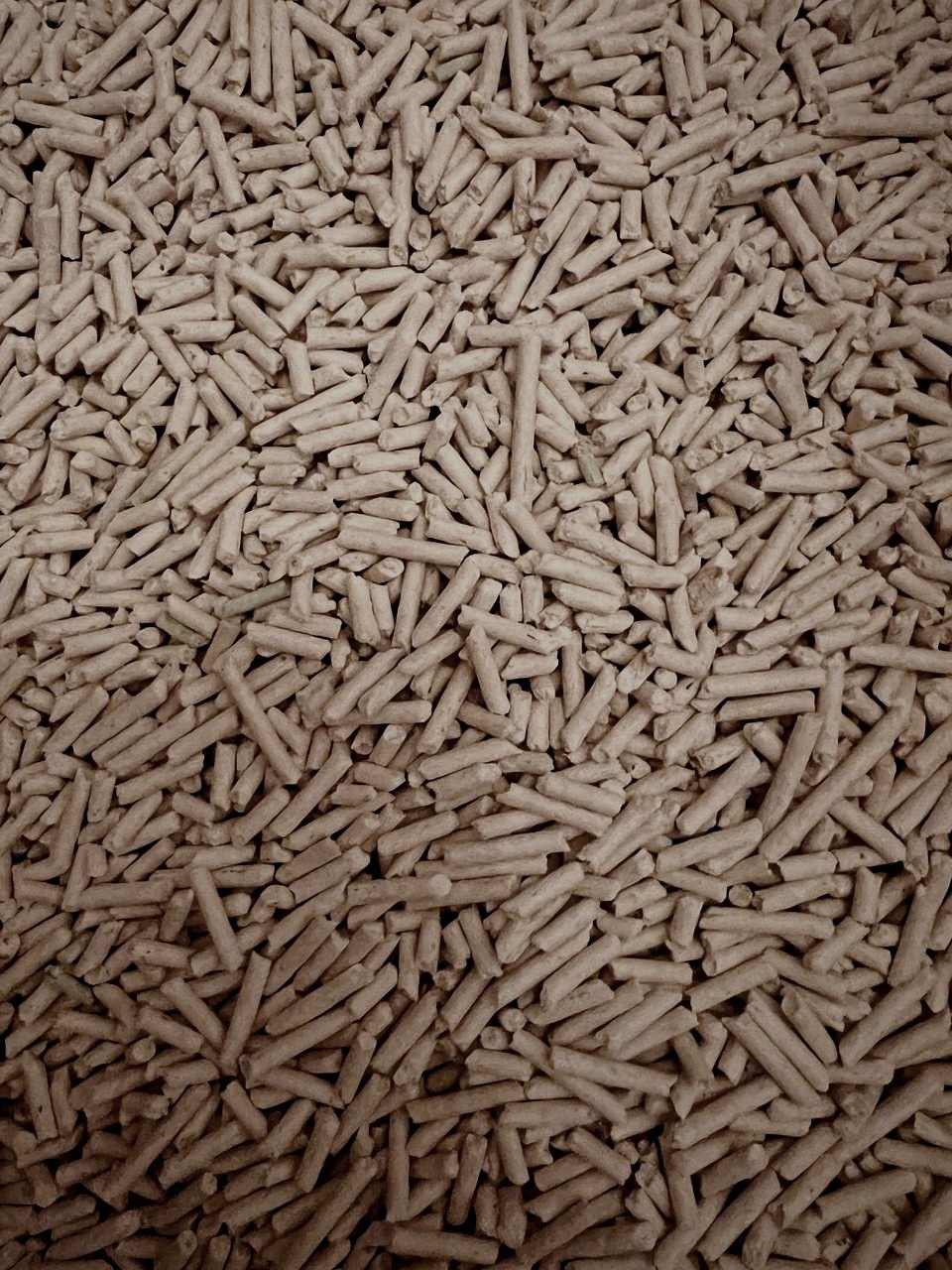
We study whether a wood-fired boiler house suits the building and its site: capacity, type of fuel, storage, delivery access and operating constraints.
Photovoltaics
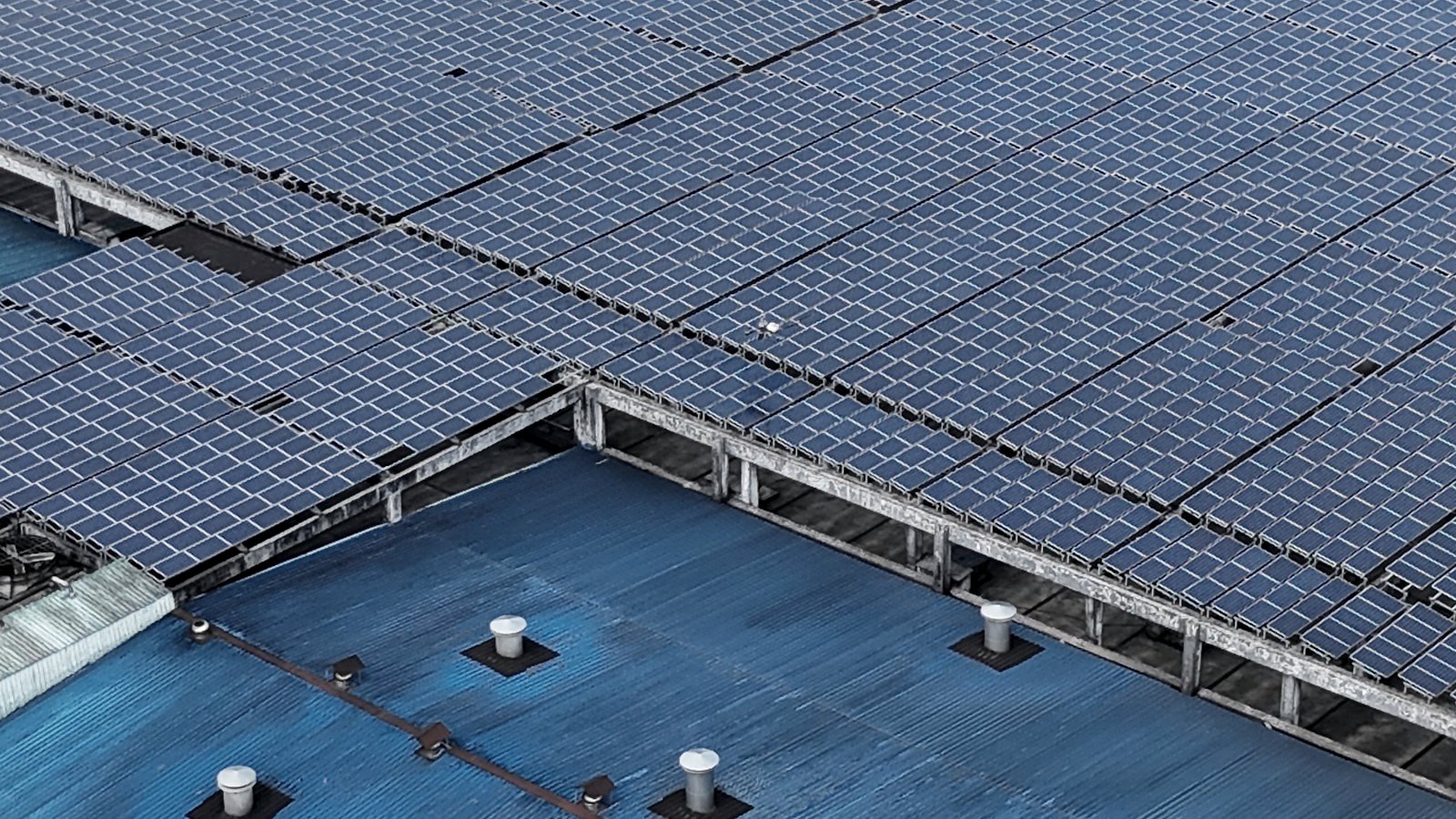
We assess the yield, how well it matches the consumption profile, the self-consumption rate and the main siting constraints. Photovoltaics is studied as a source of electricity that comes in addition to the work on consumption and on heat generation, not instead of it.
Whole-life cost
- The capital cost
- The capital cost alone does not allow two energy solutions to be compared.
- The whole-life cost
- The whole-life cost also takes in energy consumption, maintenance, the replacement of plant and, where it is relevant, the grants available.
- Payback period
- The time it takes for the savings in operation to make up the extra cost at purchase.
What the whole-life cost includes
The capital cost, knock-on works included
The cost of a project is not the price of the generator alone. Changing the emitters, adapting the plant room, the electrical connection, distribution works or dealing with particular constraints can account for a large share of the capital cost.
Energy, on a stated price scenario
The economic results depend on the assumptions made about energy prices. We state those assumptions in the study, and they can be put through a sensitivity analysis to measure how far they weigh on the comparison.
Maintenance and replacement
Servicing costs and service lives differ from one technology to another. The analysis therefore carries the maintenance and the replacement of the main components over the period studied.
Grants and incentives
Where grants can be claimed, their order of magnitude goes into the economic analysis. The study states the assumptions made and the main conditions of eligibility.
Grants and support schemes
Our studies estimate them, and we advise you on the schemes that suit the project.
Certificats d’économies d’énergie (CEE)
The certificats d’économies d’énergie (CEE), France’s energy saving certificate scheme, help fund energy-efficiency measures in every sector: housing, non-residential buildings, industry and networks. In non-residential buildings, the Coup de pouce “Chauffage des bâtiments tertiaires” raises the value of replacing fossil-fuel plant with a heat pump. Connecting to a district heating network supplied by renewable energy can also qualify.
Fonds Chaleur
The Fonds Chaleur, ADEME’s renewable heat fund, supports companies and local authorities in developing renewable and recovered heat and cooling: biomass, geothermal energy, solar thermal, biogas and recovered energy.
- Reduce the demand
- Pool what remains
- Give priority to renewable and recovered energy
EnR’Choix, ADEME’s method
The EnR’Choix method sets an order for examining renewable heat solutions: first reduce the demand and pool what remains, then draw on the renewable and recovered resources available locally: connection to a district heating network, then geothermal energy and solar thermal, and finally an air-to-water heat pump or biomass depending on the demand. Our opportunity studies follow that order.
Method
The study also tells you whether the solution you had in mind at the outset suits the building.
The demand as it really is
We rebuild the consumption profiles and the loads drawn, then examine the distribution temperatures the building needs.
A survey of the site’s resources
We identify the resources that are accessible, technically and under the regulations: networks nearby, an aquifer, ground, roof, outdoor air and the space available in the plant room.
Comparison on common assumptions
The solutions retained are studied with the same assumptions on energy prices, on the period of analysis and on operating conditions, so that the comparison holds.
Conclusion and conditions for success
The study sets out the results of the comparison, the main advantages and constraints of each solution, and the points that will have to be taken further before design or works begin.